Calculating Air Conditioner Replacement Cost: Factors, Types, and Additional Expenses
Exploring the realm of air conditioner replacement cost, this article delves into various factors influencing the expenses, types of AC units and their costs, additional expenses involved, and the implications of DIY versus professional replacement. Dive in to uncover essential insights for your next AC replacement project.

When it comes to replacing an air conditioner, several factors come into play that can influence the overall cost. Understanding these factors can help homeowners make informed decisions and budget accordingly.
The size of the air conditioner unit is a crucial factor that affects replacement costs. Larger units typically cost more to replace due to the higher materials and labor required. On the other hand, smaller units are generally more affordable to replace.
Energy efficiency ratings play a significant role in determining replacement expenses. Higher efficiency units may come with a higher upfront cost, but they can lead to long-term savings on energy bills. It’s essential to consider the long-term cost savings when deciding on the energy efficiency of the new unit.
The complexity of the installation process can also impact replacement costs. If the new unit requires significant modifications to the existing ductwork or electrical system, the installation costs may increase. Additionally, factors like accessibility and local building codes can affect the overall installation complexity and, consequently, the replacement cost.

When it comes to replacing air conditioners, understanding the cost implications of different types of units is crucial. Let’s delve into the comparison of replacement costs between central AC units and ductless mini-split systems, as well as examples of high-end versus budget-friendly air conditioners and how technology advancements impact expenses.
Central AC units are typically more expensive to replace compared to ductless mini-split systems. The cost of replacing a central AC unit can range from $3,000 to $7,000 or more, depending on factors such as the size of the unit and the complexity of the installation.
On the other hand, replacing a ductless mini-split system may cost between $2,000 to $5,000, making them a more budget-friendly option for some homeowners.
High-end air conditioners, such as variable-speed or smart models, can come with a higher price tag for replacement. The cost of replacing a high-end air conditioner may range from $5,000 to $10,000 or more, depending on the features and brand.
On the other hand, budget-friendly air conditioners, such as single-stage units, may have replacement costs ranging from $2,000 to $4,000.
Advancements in air conditioning technology have led to more energy-efficient units, which can impact replacement costs. While newer models may be more expensive upfront, they can result in long-term savings on energy bills. Additionally, smart features and improved performance may contribute to higher replacement costs due to the added benefits they offer.
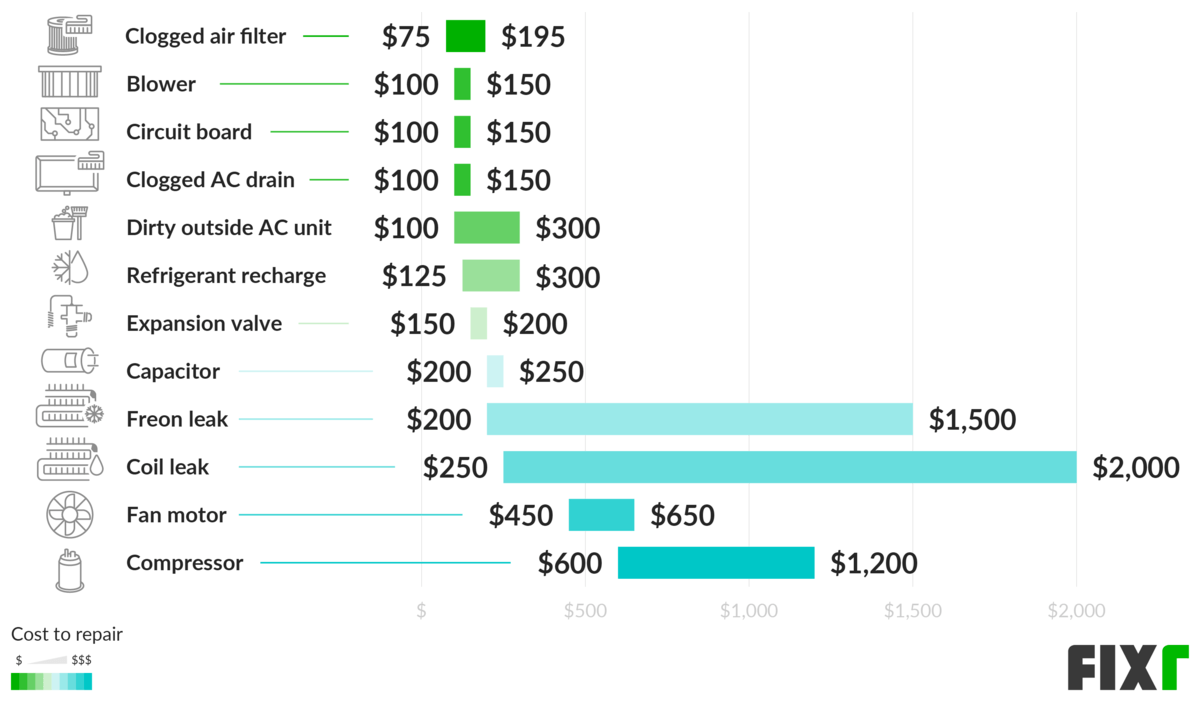
When replacing an air conditioner, there are additional costs that homeowners need to consider apart from the actual unit and installation. These costs can vary depending on the specific requirements of the replacement process.
Modifying existing ductwork during air conditioner replacement may be necessary to ensure optimal performance of the new unit. This can incur additional costs:
Obtaining permits and ensuring compliance with building codes are crucial steps in the air conditioner replacement process. These additional costs may include:

When it comes to replacing an air conditioner, homeowners often contemplate whether to take on the task themselves or hire professional installers. While a DIY replacement may seem cost-effective at first glance, there are important factors to consider that can impact the overall replacement cost.
Cost implications of DIY air conditioner replacement
- DIY replacement can potentially save homeowners money on labor costs, as they won’t have to pay for professional installation services.
- Homeowners can also choose to purchase the air conditioner unit themselves, allowing them to shop around for the best deals and potentially save on the cost of the unit.
Risks and drawbacks of opting for a DIY replacement
- DIY installation can be complex and may require technical knowledge and skills that the average homeowner may not possess. This can lead to errors in installation that could result in costly repairs down the line.
- Improper installation can also void warranties on the air conditioner unit, leaving homeowners responsible for any future repairs or replacements.
Impact of warranties and guarantees from professional installers
- Professional installers often provide warranties and guarantees on their work, ensuring that any issues with the installation will be addressed at no additional cost to the homeowner.
- These warranties can provide peace of mind to homeowners, knowing that they are protected in case of any issues with the new air conditioner.