Exploring the AC Compressor Replacement Cost: What You Need to Know
Diving into the realm of AC compressor replacement cost, this introduction aims to provide a comprehensive overview of the factors influencing costs and the various considerations involved in this process. From labor costs to the type of compressor used, readers will gain valuable insights into the world of AC repairs.
In the following paragraphs, we will delve deeper into the average cost range, the debate between DIY and professional replacement, additional costs to consider, and FAQs that shed light on common queries regarding AC compressor replacement cost.
When it comes to the cost of replacing an AC compressor, there are several factors that can influence the overall price. Understanding these factors can help you estimate how much you might need to budget for this repair.Labor costs play a significant role in determining the total cost of AC compressor replacement.
The amount of time and effort required for the technician to remove the old compressor and install the new one can vary depending on the car make and model, as well as the location of the compressor within the vehicle.
More complex installations may require more labor hours, ultimately driving up the cost.
Labor costs are a major component of the overall AC compressor replacement cost. Technicians typically charge an hourly rate for their services, and the total labor cost will depend on how long it takes to complete the job. More challenging installations, such as those that require additional disassembly of components, can result in higher labor costs.
The type of compressor being installed can also impact the replacement cost. Some compressors are more expensive than others due to differences in design, efficiency, and manufacturer. High-performance or specialized compressors may come with a higher price tag, contributing to an increase in the overall replacement cost.
The make and model of your vehicle can also influence the cost of replacing the AC compressor. Different vehicles have varying levels of complexity when it comes to accessing and replacing the compressor, which can affect the amount of labor required.
Additionally, certain makes and models may use more expensive parts or require specific tools for the replacement, further impacting the total cost.

When it comes to the average cost range for AC compressor replacement, it can vary depending on several factors such as the make and model of the vehicle, the type of compressor needed, and whether you opt for aftermarket or OEM parts.
On average, you can expect to pay anywhere from $500 to $1500 for the replacement of an AC compressor.
Aftermarket parts are generally more affordable compared to OEM parts. While OEM parts are made by the original manufacturer of the vehicle, aftermarket parts are produced by third-party manufacturers. For AC compressor replacement, choosing aftermarket parts can save you money, with costs typically ranging from $100 to $300 less than OEM parts.
The location of the service center and its reputation can also impact the pricing for AC compressor replacement. Service centers in urban areas or regions with higher living costs may charge more for labor and parts. Additionally, a service center with a good reputation for quality workmanship may also charge a premium for their services.
It’s essential to consider these factors when budgeting for AC compressor replacement.
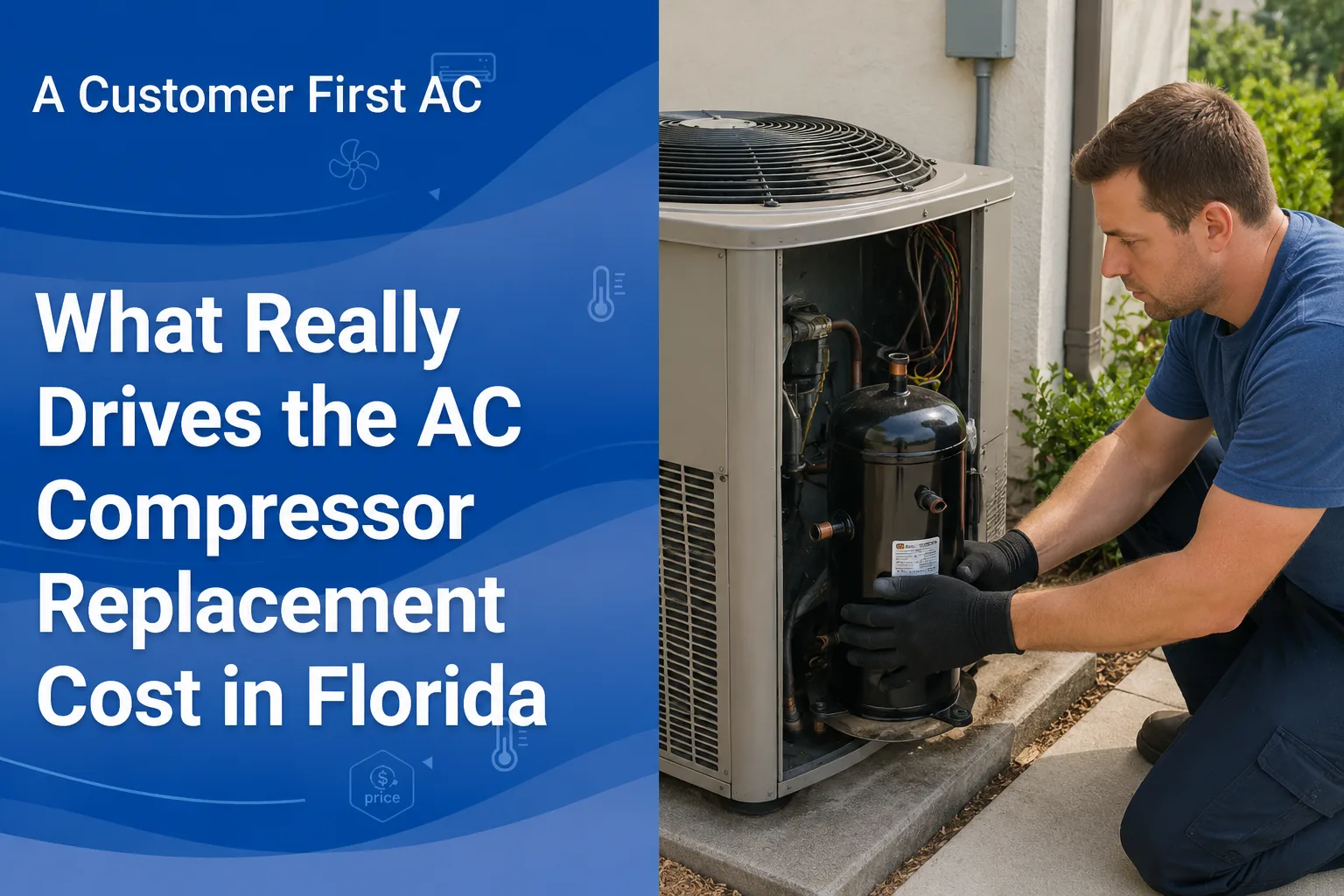
When it comes to replacing an AC compressor, you have the option to either do it yourself or hire a professional. Both options have their own set of pros and cons that you need to consider before making a decision.DIY replacement might seem like a cost-effective solution at first, as you can save on labor costs by doing the work yourself.
However, it’s important to note that AC compressor replacement is a complex and technical task that requires a certain level of expertise. Without the necessary skills and knowledge, you could end up causing more damage to your AC system, leading to higher repair costs in the long run.On the other hand, hiring a professional to replace your AC compressor ensures that the job is done correctly and efficiently.
While this option may be more expensive upfront due to labor costs, it can save you money in the long term by preventing further damage to your AC system.
Warranty coverage is crucial when deciding between DIY and professional AC compressor replacement. Most manufacturers require professional installation to validate the warranty, ensuring that any future issues are covered under warranty.
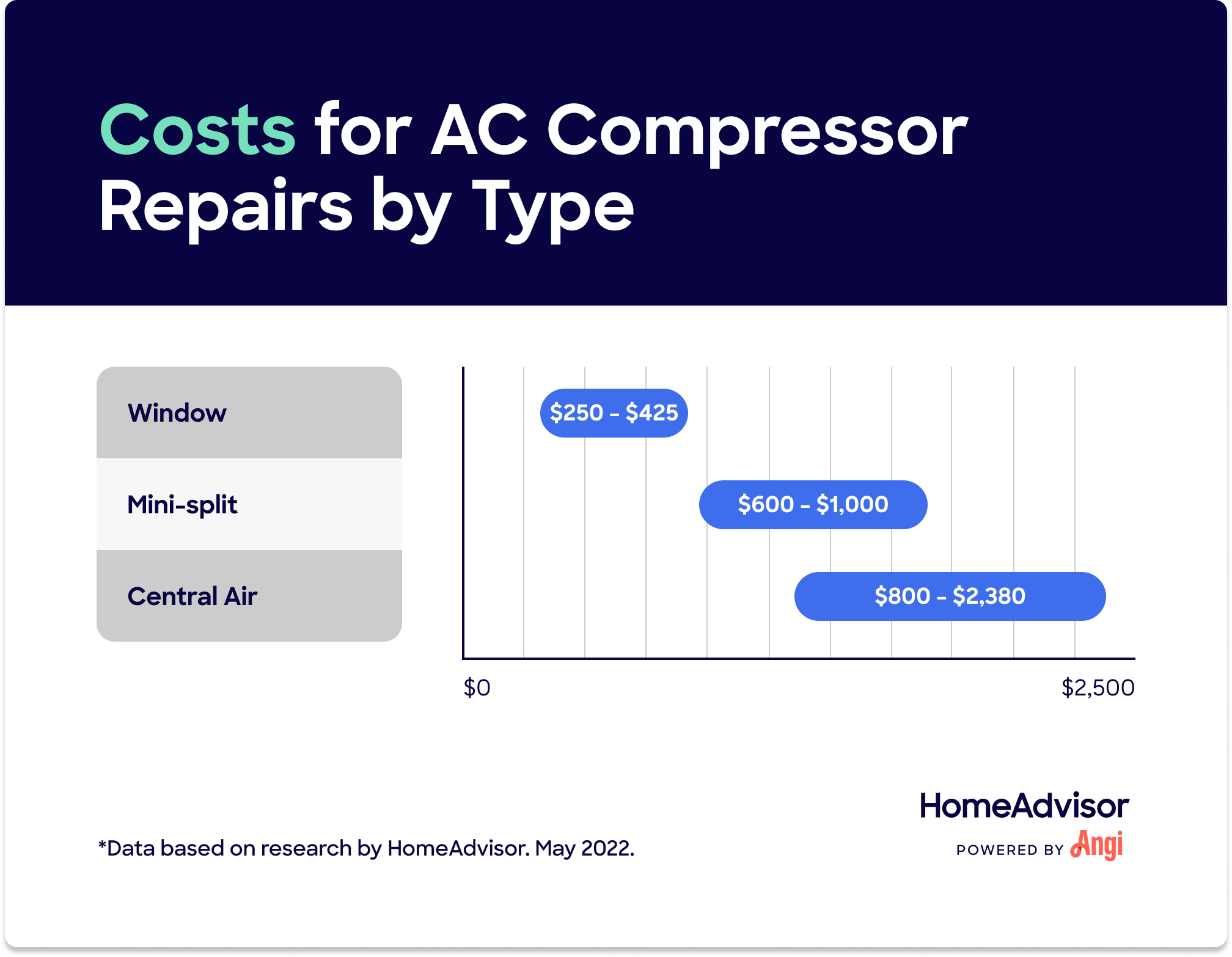
When replacing an AC compressor, there are several additional costs to take into account that can impact the overall expense of the repair. These costs include the replacement of other parts, refrigerant recharge, and system flushes or repairs.
During an AC compressor replacement, it is common practice to replace other parts in the system to ensure optimal performance and longevity. These parts may include the AC receiver-drier or accumulator, the expansion valve or orifice tube, and the O-rings and seals.
Replacing these components along with the compressor can help prevent future issues and costly repairs down the line.
After replacing the AC compressor, a refrigerant recharge is necessary to ensure the system operates correctly. The cost of refrigerant can vary depending on the type of refrigerant used and the amount needed for your specific vehicle. It is essential to properly recharge the system to maintain the efficiency of your AC system.
In some cases, a system flush may be required before installing a new AC compressor. This process involves cleaning out the AC system to remove any debris, contaminants, or old refrigerant that could potentially damage the new compressor. Additionally, if there are any leaks or other issues present in the system, repairs may be necessary to ensure proper function and prevent further damage.