Understanding HVAC Repair Cost: Factors, Average Costs, DIY vs. Professional Repairs, and Regional Disparities
Exploring the realm of HVAC repair costs opens up a world of factors that influence expenses, common repair services and their costs, the debate between DIY and professional repairs, and how location can impact your wallet. Dive into this detailed guide to gain insights on managing HVAC repair costs effectively.
When it comes to HVAC repair costs, several factors can influence the final expenses. Understanding these factors can help homeowners make informed decisions to manage and reduce repair costs effectively.
The age and overall condition of your HVAC system play a significant role in determining repair costs. Older systems may require more frequent repairs due to wear and tear, leading to higher expenses. For example, replacing components in an older system can be more costly than in a newer one.
To mitigate this factor, homeowners can schedule regular maintenance to prolong the lifespan of their HVAC system and address issues before they escalate.
The type of repair required can also impact the overall cost. Simple repairs such as replacing a filter or cleaning coils may be more affordable compared to complex repairs like replacing a compressor or fixing ductwork. Homeowners can lower repair expenses by addressing minor issues promptly and investing in preventive maintenance to avoid major repairs.
The availability of parts for your HVAC system can affect repair costs. If a specific component is rare or outdated, obtaining the necessary part can be more expensive and time-consuming. To mitigate this factor, homeowners can work with reputable HVAC technicians who have access to a wide range of parts or consider upgrading to a newer system with readily available components.
Labor rates in your area can also influence HVAC repair costs. Areas with higher living costs or a shortage of skilled technicians may have higher labor rates, leading to increased repair expenses. Homeowners can research and compare prices from different HVAC companies to find a competitive rate without compromising on quality.
The extent of damage to your HVAC system will directly impact repair costs. Minor issues like a clogged filter may be inexpensive to fix, while major issues like a refrigerant leak or a faulty compressor can be more costly. Regular maintenance and timely repairs can help prevent extensive damage and reduce overall repair expenses.

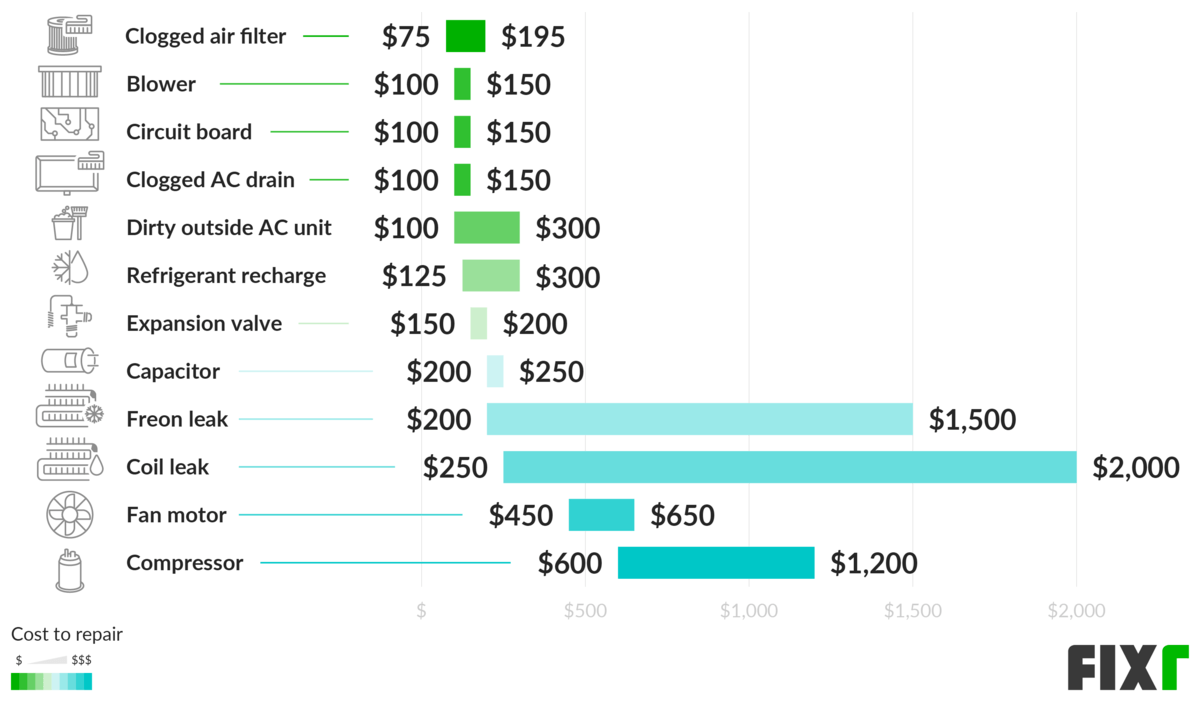
When it comes to HVAC repairs, costs can vary depending on the type of service needed. Below is a table listing common HVAC repair services and their average costs, along with an explanation of why certain repairs may be more costly than others.
Additionally, tips on how homeowners can budget for potential HVAC repair expenses will be provided.
It’s important to note that certain repairs, such as those involving major components like compressors or heat exchangers, tend to be more expensive due to the cost of the parts and labor involved.

When it comes to HVAC repairs, homeowners often face the decision of whether to attempt a do-it-yourself (DIY) fix or hire a professional. Each option comes with its own set of costs, risks, and benefits that should be carefully considered.DIY repairs can be a cost-effective option for those who are handy and have some experience working with HVAC systems.
However, it’s essential to weigh the potential savings against the risks involved. Inexperienced DIY repairs can lead to further damage to the system, resulting in higher repair costs in the long run.On the other hand, hiring a professional HVAC technician may come at a higher cost upfront, but it can ensure that the repair is done correctly and efficiently.
Professionals have the knowledge, tools, and expertise to diagnose and fix HVAC issues effectively, potentially saving you money in the long term.
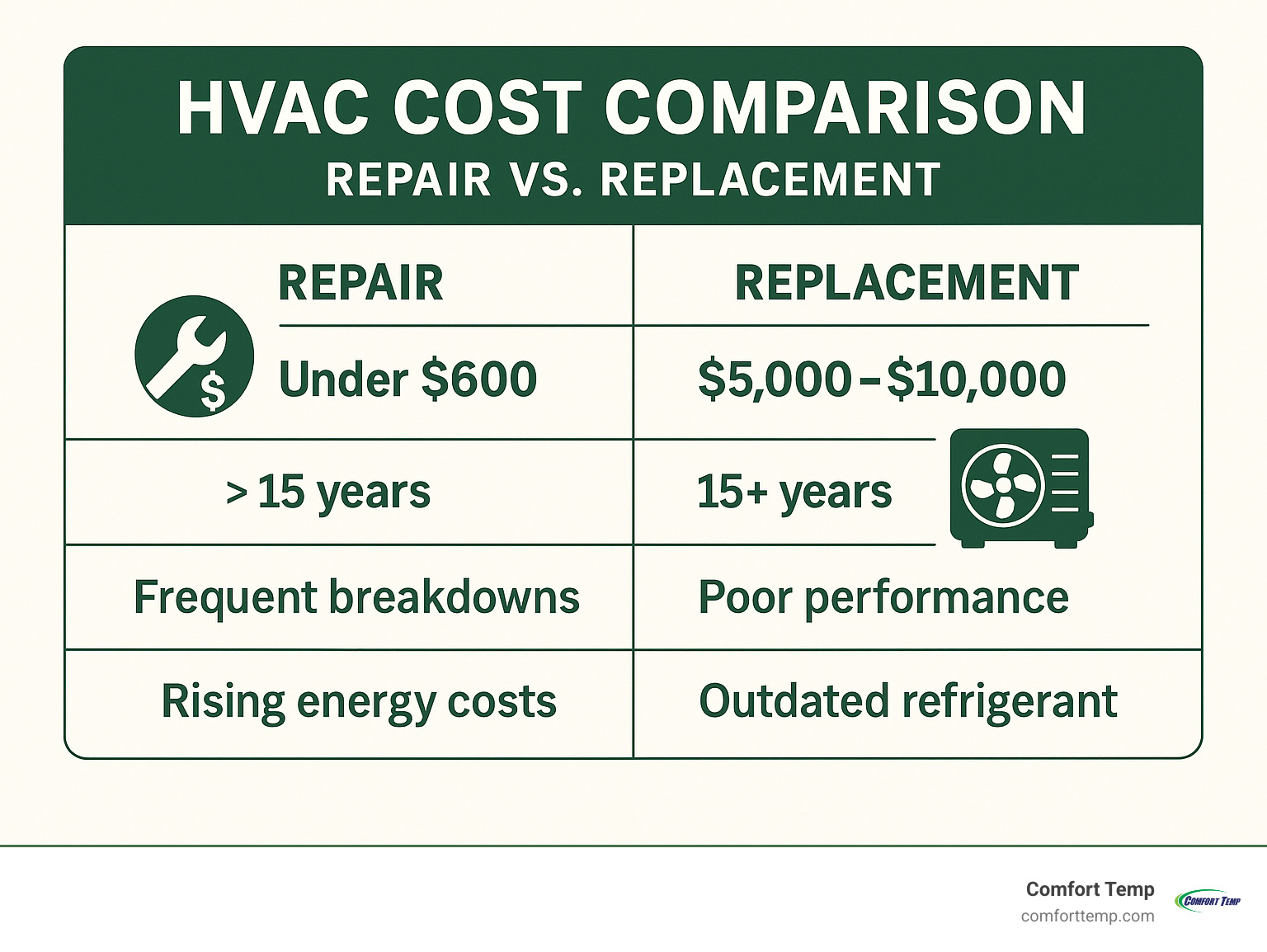
When it comes to HVAC repair costs, it’s important to note that these expenses can vary significantly depending on the region or location of a homeowner. Understanding the reasons behind these disparities can help homeowners navigate and plan for potential repair expenses accordingly.
Factors Contributing to Regional Disparities
- Cost of Living: Areas with higher costs of living generally have higher HVAC repair costs due to increased labor and overhead expenses.
- Climate: Regions with extreme weather conditions may require more frequent repairs or maintenance, impacting overall repair costs.
- Local Regulations: Different regions may have varying regulations or licensing requirements that can influence the cost of HVAC repairs.
Navigating Cost Differences
- Research Local Rates: Homeowners should research average HVAC repair costs in their specific region to understand what to expect.
- Get Multiple Quotes: It’s advisable to get multiple quotes from HVAC repair companies in the area to compare prices and services.
- Maintain Regularly: Regular maintenance can help prevent costly repairs, regardless of the region, saving money in the long run.